четвртак, 2. септембар 2021.

BELA MAČKA: "Pogledaj Me" 09 / Zbirka Poezije | poezija | poetry | poésie


Pogledaj Me


Očaj zlokobni um ti pomračio i praznina alava zube ti rasipa,

Crv maligni se u tebi nastanio,

Mraz u srcu odavno ti oči zapaljene zatvara,

Gmizavac je postala tvoja duša,

Škorpija nema otrova kojim bi tvoj otrovni jezik nadjačala,

Nosiš strah u sebi pakleni, zarazu vekovima dojenu,

Ljudski si otpad i ljudske krvi žedan.


Majka te je nežno podizala, ti se kao zver uspravi.

Strašna će biti noć tvog pada,

Neljudski će biti slušati urlik tvog bola,

Okove i tamnicu priprema ti tvoja sorta,

Pacov zarazan biće ti najbolji prijatelj,

Sve dok se njegovim mesom ne budeš počastio.


Pogledaj me,

Neka se od tvog pogleda ako želiš na meni rane vrele otvore,

Pogledaj me,

Možda će mi se od tuge grudi pocepati,

Pogledaj me,

Zauvek ćeš time sebe promeniti.


среда, 1. септембар 2021.

Best Albums Ever: Neil Young - Harvest 1972 (Remastered Version) rock folk-rock country-rock experimental-rock hard-rock


 Neil Young - Harvest

Harvest is the fourth studio album by Canadian / American musician Neil Young, released in February 1972 on Reprise Records, catalogue number MS 2032. It featured the London Symphony Orchestra on two tracks and vocals by noted guests David Crosby, Graham Nash, Linda Ronstadt, Stephen Stills, and James Taylor. It topped the Billboard 200 album chart for two weeks, and spawned two hit singles, "Old Man", which peaked at No. 31 on the Billboard Hot 100, and "Heart of Gold", which reached No. 1. It was the best-selling album of 1972 in the United States.

Neil Percival Young OC OM (born November 12, 1945) is a Canadian singer-songwriter, musician, and activist. After embarking on a music career in Winnipeg in the 1960s, Young moved to Los Angeles, joining Buffalo Springfield with Stephen Stills, Richie Furay and others. Since the beginning of his solo career with his backing band Crazy Horse, Young has released many critically acclaimed and important albums, such as After the Gold Rush, Everybody Knows This Is Nowhere, and Harvest.


уторак, 31. август 2021.

The Movie, Lesson About Life - 38 Andrei Tarkovsky: Solaris drama - sc-fi


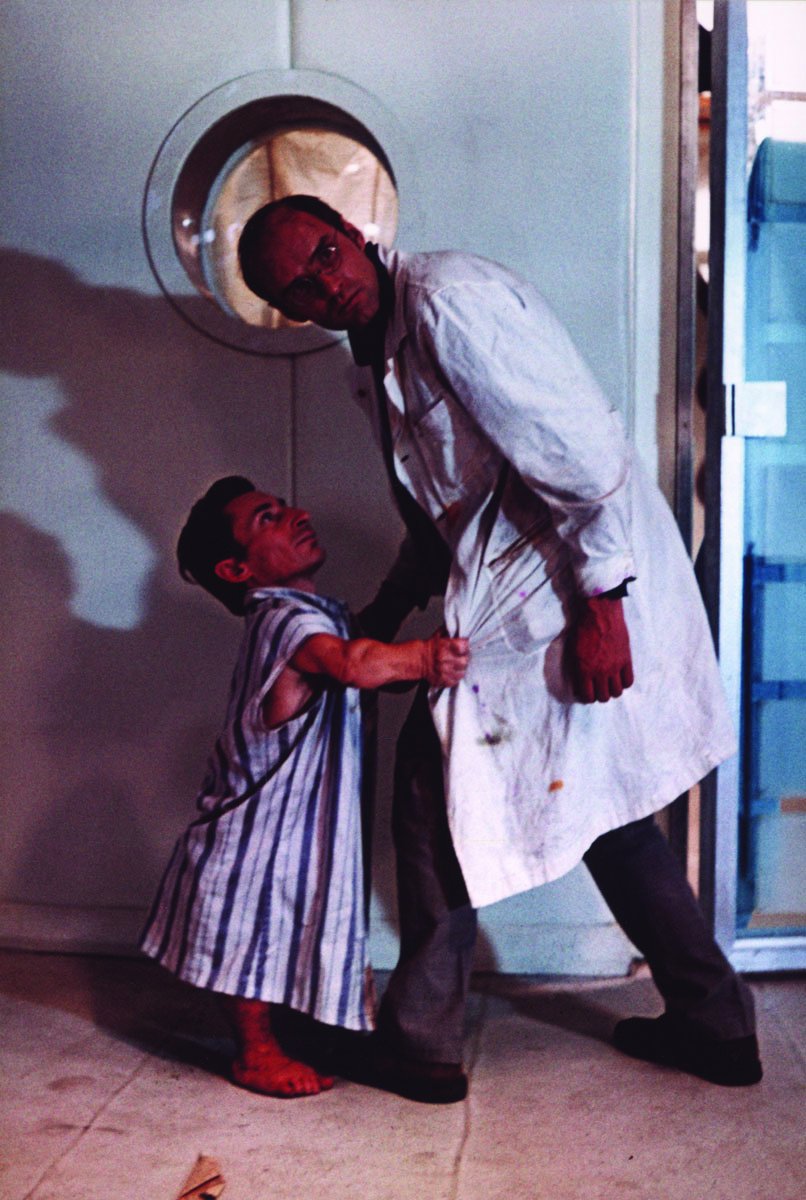
Solaris

Solaris (Russian: Солярис, tr. Solyaris) is a 1972 Soviet science fiction art film based on Stanisław Lem's 1961 novel of the same name. The film was co-written and directed by Andrei Tarkovsky, and stars Donatas Banionis and Natalya Bondarchuk. The electronic music score was performed by Eduard Artemyev; a composition by J.S. Bach is also employed.


The plot centers on a space station orbiting the fictional planet Solaris, where a scientific mission has stalled because the skeleton crew of three scientists have fallen into emotional crises. Psychologist Kris Kelvin (Banionis) travels to the station in order to evaluate the situation, only to encounter the same mysterious phenomena as the others. The film was Tarkovsky's attempt to bring a new emotional depth to science fiction films; he viewed most western works in the genre as shallow due to their focus on technological invention.

Solaris won the Grand Prix Spécial du Jury at the 1972 Cannes Film Festival and was nominated for the Palme d'Or. It received generally positive reviews from critics. It is often cited as one of the greatest science fiction films in the history of cinema.[7][8] Some of the ideas Tarkovsky expresses in this film are further developed in his film Stalker (1979).


Directed by Andrei Tarkovsky

Written bFridrikh Gorenshtein, Andrei Tarkovsky

Based on Solaris by Stanisław Lem

Produced by Vyacheslav Tarasov


Starring:

Donatas Banionis
Natalya Bondarchuk
Jüri Järvet
Vladislav Dvorzhetsky
Nikolai Grinko
Anatoly Solonitsyn
Cinematography: Vadim Yusov
Edited by Lyudmila Feiginova
Music by Eduard Artemyev

Production company Mosfilm
Release date
February 5, 1972 (Moscow)
May 13, 1972 (Cannes)
Running time 166 minutes
Country: EX Soviet Union
Languages: Russian, German


Ground control has been receiving mysterious transmissions from the three remaining residents of the Solaris space station. When cosmonaut and psychologist Kris Kelvin is dispatched to investigate, he experiences the same strange phenomena that afflict the Solaris crew, sending him on a voyage into the darkest recesses of his consciousness. With Solaris, the legendary Russian filmmaker Andrei Tarkovsky created a brilliantly original science-fiction epic that challenges our conceptions about love, truth, and humanity itself.


Psychologist Kris Kelvin is being sent on an interstellar journey to evaluate whether a decades-old space station, positioned over the oceanic planet Solaris, should continue to study it. He spends his last day on Earth with his elderly father and retired pilot Burton. Years earlier Burton had been part of an exploratory team at Solaris but was recalled when he described strange happenings, including seeing a four-meter-tall child on the surface of the water on the planet. These were dismissed as hallucinations by a panel of scientists and military, but now that the remaining crew members are making similarly strange reports, Kris's skills are needed.


понедељак, 30. август 2021.

Best albums Ever: Joy Division - Unknown Pleasures (2019 Digital Mastering) - 180 Gram Vinyl - post-punk, gothic-rock, new wave

Joy Division:    "Unknown Pleasures" 

Unknown Pleasures is the debut studio album by English rock band Joy Division, released on 15 June 1979 by Factory Records. The album was recorded and mixed over three successive weekends at Stockport's Strawberry Studios in April 1979, and was produced by Martin Hannett, who incorporated a number of unconventional production techniques into the group's sound. The cover artwork was designed by artist Peter Saville, using a data plot of signals from a radio pulsar. It is the only Joy Division album released during lead singer Ian Curtis's lifetime.

Factory Records did not release any singles from Unknown Pleasures, and the album did not chart despite the relative success of the group's non-album debut single "Transmission". It has since received sustained critical acclaim as an influential post-punk album, and has been named as one of the best albums of all time by publications such as NME, AllMusic, Select, Rolling Stone, and Spin.


Joy Division were an English rock band formed in Salford in 1976. The group consisted of vocalist Ian Curtis, guitarist/keyboardist Bernard Sumner, bassist Peter Hook and drummer Stephen Morris.

Sumner and Hook formed the band after attending a Sex Pistols concert. While Joy Division's first recordings were heavily influenced by early punk, they soon developed a sparse sound and style that made them one of the pioneers of the post-punk movement. Their self-released 1978 debut EP An Ideal for Living drew the attention of the Manchester television personality Tony Wilson, who signed them to his independent label Factory Records. Their debut album Unknown Pleasures, recorded with producer Martin Hannett, was released in 1979.


Curtis suffered from personal problems and health conditions, including a failing marriage, depression, and epilepsy. As the band's popularity grew, Curtis's condition made it increasingly difficult for him to perform; he occasionally experienced seizures on stage. He died by suicide on the eve of the band's first US/Canada tour in May 1980, aged 23. Joy Division's second and final album, Closer, was released two months later; it and the single "Love Will Tear Us Apart" became their highest charting releases.


The remaining members regrouped under the name New Order. They were successful throughout the next decade, blending post-punk with electronic and dance music influences.


Also known as Warsaw (1977–1978)
Salford, England

Post-punk, Gothic Rock, New wave
Years active 1976–1980
Labels
Factory Enigma, Virgin Anonymous, Fast Product Sordide Sentimental
Associated acts New Order
Past members:
Ian Curtis
Bernard Sumner
Peter Hook
Stephen Morris


Ian Curtis (guitar/vocals), Bernard Sumner (keyboard), Peter Hook (bass), and Stephen Morris (drums) released their debut, Unknown Pleasures, in 1979.


четвртак, 26. август 2021.

SPONTANO SAGOREVANJE: "Ništarija" 19 | Zbirka Kratkih Priča | kratka priča, short story, histoire courte, nadrealizam, teatar apsurda, surréalisme. théâtre de l'absurde, theater of the absurd, iracionalizam, avantgarde, avangarda, irrationalism, irrationalisme


NIŠTARIJA


 - Znaš šta Petroviću, M. Petrovtrovću, više mi te je dosta! – pomisli Petrović besno u sebi. 

- Ti Petroviću - nastavi Petrović sa srdžbom misliti u sebi o samome sebi – Ti Petroviću nemaš ništa i obična si ništarija. Kako misliš da te ljudi poštuju i uvažavaju?! Ti bi od sebe i ogledalo trebalo da sklanjaš. I hajde, uradi ti gospodine, nešto, bilo šta, dostojno poštovanja. Delo ali ne malo delo...već takvo, da na nekoga ostavi utisak... Šta!? Veština je potrebna, a ti kao da nemaš nikakvih veština! 

- E moj Petroviću, a jel’ roditelje poštuješ? Ne! Tako je... svako ima svoje razloge. Pa šta si ti? Čovek? A ljubav? Ne, ja ne mrzim ama baš nikoga. A koga volim? Da vidimo, volim pokojnu bakicu. Uh! Petroviću... ostao si sam! Sam samcit! Ti i nemaš razloga, da se bilo kome, pokazuješ i dokazuješ. Raspusti se, pijanči, kockaj se čoveče! 

- Ne, ne... Neće ići tako lako! – Petrović pri ovoj pomisli podiže prst u vazduh i kao da preti svojim mislima, ukori samoga sebe, micanjem prsta levo-desno. 

Besmisleno je ovoliko razmišljati a ništa ne preduzimati. Potpuno besmisleno! 

Na ove misli Petrović poskoči, navuče kaputić i izlete napolje iz svoje male podstanarske sobice. Ipak je otišao pravo u kafanu, tamo se prvo napio kao zmaj i odlučno je sa velikim samopuzdanjem da nastavi dalje, Sa verom u sebe, pade mu na pamet, da možda poseduje i telepatske sposobnosti i on doslovce ulete u prvu kockarnicu na koju je naleteo. Dočekao je jutro u kockarnici bez prebijenog dinara i bez novog kaputa, koji je na kraju, jedva uspeo da založi, za tri puta manju cenu od one koliko je kaput vredeo. Sedeo je smrknut na stolici i gledao u jednu masnu tačku na belom zidu.

- Ništarija, zauvek ostaje ništarija. - ova misao mu se dopade.

- Tako je, treba čovek po neki put biti i iskren prema sebi. Ništarija, nego šta i to je nešto valjda! I ništarija, mora da postane ništarija i za to je potreban neki trud.

Tako Petrović obodri samoga sebe, ustade teško sa stolice i odvuče se nekako do svog stana. Kada je legao u krevet i zaspao, spavao je tri dana, probudila ga je komšinica Mirka, koja je mislila da se sa njim nešto desilo pošto nije svraćao kod nje da kupi domaći, mladi sir, što je inače radio svaki dan.

- A gospodine Petroviću, Vi kao kakva ništarija, spavate li, spavate...tri dana Vas nema, a našta to ličite...juu...pa imate li vi ogledalo?

Petrović zalupi vrata komšinici ispred nosa i još pomisli: 

"Ma što joj ne udari šamarčinu!"

Smrknut i nikakav, on se uputi nazad ka krevetu.

U krevetu se malo opustio, zamišljajući kako ima sekseksualni odnos sa tri glumice, koje je on najviše cenio.


Best Albums Ever: Nina Simone: "Baltimore" (1978) R&B jazz blues folk soul classical gospel


Baltimore is the fourteenth studio album by American singer-songwriter and pianist Nina Simone, released in January 1978 by CTI Records. Nina Simone was signed to CTI Records after the veteran jazz producer Creed Taylor saw her perform live in 1977 at Drury Lane, and together they would record "Baltimore," Simone's first album since 1974's It Is Finished.


Eunice Kathleen Waymon (February 21, 1933 – April 21, 2003), known professionally as Nina Simone, was an American singer, songwriter, musician, arranger, and civil rights activist. Her music spanned a broad range of musical styles including classical, jazz, blues, folk, R&B, gospel, and pop.

The sixth of eight children born to a poor family in Tryon, North Carolina, Simone initially aspired to be a concert pianist.[1] With the help of a few supporters in her hometown, she enrolled in the Juilliard School of Music in New York City.[2] She then applied for a scholarship to study at the Curtis Institute of Music in Philadelphia, where she was denied admission despite a well-received audition, which she attributed to racism. In 2003, just days before her death, the Institute awarded her an honorary degree.


To make a living, Simone started playing piano at a nightclub in Atlantic City. She changed her name to "Nina Simone" to disguise herself from family members, having chosen to play "the devil's music" or so-called "cocktail piano". She was told in the nightclub that she would have to sing to her own accompaniment, which effectively launched her career as a jazz vocalist.  She went on to record more than 40 albums between 1958 and 1974, making her debut with Little Girl Blue. She had a hit single in the United States in 1958 with "I Loves You, Porgy". Her musical style fused gospel and pop with classical music, in particular Johann Sebastian Bach, and accompanied expressive, jazz-like singing in her contralto voice


Colors as Icon: Theology - The New Serbian Icon Painting, Mijalko Djunisijević - icons, Icônes, иконки, εικονίδια, lambang, symbole, ikone


The New Serbian Icon Painting, 

Mijalko Djunisijevic - Scribd

Art critique - offer of exhibition, with last work, icons, of my friend, modern Orthodox icon painter from Čačak and Belgrade, Serbia, Mijalko Djunisijevic, 45, who modernized icon, working very interesting with colors. We offer, this his exhibition now to different galleries in Belgrade and abroad / but only with little donation because we both can not make it alone/. Curator and organizer of exhibition is my design studio STUDIO JI, Belgrade.


Slikane ikone jajčanom temperom na drvenim pločama, izrada slavskih ikona, slikanje ikona na...

Prodavnica Ikona Mijalko Djunisijevic


среда, 25. август 2021.

Ekser


EKSER

T.P. je u potpunoj dokolici ušao u svoju ostavu. Dugo nije bio u tom delu svog stana, rešio je je da malo pospremi po kući. Pod sijalicom koja je treptala, videlo se dosta prašine i paučine. Razbacane alatke su pokrile pločice, čekić, klješta, stara šmirgla, kantica sa skorelom bojom i četkom u njoj, svašta... 

T. P. kao što je najednom dobio, tako najednom i izgubi volju da pospremi svoju ostavu. Taman da ugasi sijalicu koja mu je smetala i odavno bila za bacanje, on ugleda veliki ekser, jedan od onih za spoljnu građu i za beton.

T.P uze ekser, malo šmirgle , ugasi svetlo i zatvori vrata ostave.

Vrativši se u dnevnu sobu T.P. poče polako šmirgluckati ekser. Kada se ekser zasijao T.P. je izgledao veoma zadovoljno. Spustio je ekser na sto i rešio da legne malo ranije.

Ekser je ostavio kao ukras, na komodici, on je predstavljao "delo" dana. Bio je zadovoljan svojim učinkom.     

Legao je, ugasio je svetlo i u krevetu je zamišljao kako izgledaju dok vode seks, njegove omiljene glumice.


Best Albums Ever: Pixies - Bossanova (1990) alternative rock, surf rock, space rock

Bossanova 
is the third studio album by American alternative rock band Pixies. It was released on August 13, 1990 by English independent record label 4AD in the United Kingdom and by Elektra Records in the United States. Because of 4AD's independent status, major label Elektra handled distribution in the U.S.
Bossanova reached number 70 on the Billboard 200. The album peaked at number three in the UK Albums Chart. Two singles were released from Bossanova: "Velouria" and "Dig for Fire". Both charted on the Billboard Modern Rock Tracks chart in the U.S., at No. 4 and No. 11, respectively.


Pixies are an American alternative rock band formed in 1986 in Boston, Massachusetts. Until 2013, the band comprised Black Francis (vocals, rhythm guitar, songwriter), Joey Santiago (lead guitar), Kim Deal (bass, backing vocals) and David Lovering (drums). The band disbanded acrimoniously in 1993, but reunited in 2004. After Deal left in 2013, Pixies hired Kim Shattuck as a touring bassist; she was replaced the same year by Paz Lenchantin, who became a permanent member in 2016.
Pixies are associated with the 1990s alternative rock boom, and draw on elements including punk rock and surf rock. Their music is known for its dynamic "loud-quiet-loud" shifts and song structures. Francis is Pixies' primary songwriter; his often surreal lyrics cover offbeat subjects such as extraterrestrials, incest, and biblical violence. They achieved modest popularity in the US, but were more successful in Europe. Their jarring pop sound influenced acts such as Nirvana, Radiohead, the Smashing Pumpkins and Weezer. Their popularity grew in the years after their break-up, leading to a 2004 reunion and sold-out world tours.


Bossanova has always been my favorite Pixies album. I am pleasantly surprised how flat and good quality this LP record is. Inspired to say so, here in this ...


The Movie, Lesson About Life - 37 - Dr. Strangelove or: How I Learned to Stop Worrying and Love the Bomb (1964) war, black comedy

Dr. Strangelove or: How I Learned to Stop Worrying and Love the Bomb (1964) 

Paranoid Brigadier General Jack D. Ripper of Burpelson Air Force Base, believing that fluoridation of the American water supply is a Soviet plot to poison the U.S. populace, is able to deploy through a back door mechanism a nuclear attack on the Soviet Union without the knowledge of his superiors, including the Chair of the Joint Chiefs of Staff, General Buck Turgidson, and President Merkin Muffley. Only Ripper knows the code to recall the B-52 bombers and he has shut down communication in and out of Burpelson as a measure to protect this attack. Ripper's executive officer, RAF Group Captain Lionel Mandrake (on exchange from Britain), who is being held at Burpelson by Ripper, believes he knows the recall codes if he can only get a message to the outside world. Meanwhile at the Pentagon War Room, key persons including Muffley, Turgidson and nuclear scientist and adviser, a former Nazi named Dr. Strangelove, are discussing measures to stop the attack or mitigate its blow-up into an all out nuclear war with the Soviets. Against Turgidson's wishes, Muffley brings Soviet Ambassador Alexi de Sadesky into the War Room, and get his boss, Soviet Premier Dimitri Kisov, on the hot line to inform him of what's going on. The Americans in the War Room are dismayed to learn that the Soviets have an as yet unannounced Doomsday Device to detonate if any of their key targets are hit. As Ripper, Mandrake and those in the War Room try and work the situation to their end goal, Major T.J. "King" Kong, one of the B-52 bomber pilots, is working on his own agenda of deploying his bomb where ever he can on enemy soil if he can't make it to his intended target.—Huggo...


Dr. Strangelove or: How I Learned to Stop Worrying and Love the Bomb, more commonly known simply as Dr. Strangelove, is a 1964 black comedy film that satirizes the Cold War fears of a nuclear conflict between the Soviet Union and the United States. The film was directed, produced, and co-written by Stanley Kubrick and stars Peter Sellers, George C. Scott, Sterling Hayden, and Slim Pickens. The film was made in the United Kingdom. The film is loosely based on Peter George's thriller novel Red Alert (1958).

The story concerns an unhinged United States Air Force general who orders a first strike nuclear attack on the Soviet Union. It separately follows the President of the United States, his advisors, the Joint Chiefs of Staff and a Royal Air Force (RAF) exchange officer as they attempt to prevent the crew of a B-52 plane (who were following orders from the general) from bombing the Soviets and starting a nuclear war.

The film is often considered one of the best comedies ever made, as well as one of the greatest films of all time. In 1998, the American Film Institute ranked it twenty-sixth in its list of the best American movies (in the 2007 edition, the film ranked thirty-ninth), and in 2000, it was listed as number three on its list of the funniest American films. In 1989, the United States Library of Congress included Dr. Strangelove as one of the first twenty-five films selected for preservation in the National Film Registry for being "culturally, historically, or aesthetically significant"


Directed by:Stanley Kubrick
Screenplay by:Stanley Kubrick
Terry Southern
Peter George
Based on "Red Alert" by Peter George
Produced by Stanley Kubrick

Starring:
Peter Sellers
George C. Scott
Sterling Hayden
Keenan Wynn
Slim Pickens
Tracy Reed

Cinematography: Gilbert Taylor
Edited by Anthony Harvey
Music by Laurie Johnson
Production company: Hawk Films
Distributed by Columbia Pictures
Release date January 29, 1964
Running time 94 minutes
Countries : United Kingdom, United States


Stanley Kubrick (/ˈkuːbrɪk/; July 26, 1928 – March 7, 1999) was an American film director, producer, screenwriter, and photographer. He is frequently cited as one of the greatest filmmakers in cinematic history. His films, which are mostly adaptations of novels or short stories, cover a wide range of genres and are noted for their realism, dark humor, unique cinematography, extensive set designs, and evocative use of music.

Kubrick was raised in the Bronx, New York City, and attended William Howard Taft High School from 1941 to 1945. He received average grades, but displayed a keen interest in literature, photography, and film from a young age, and taught himself all aspects of film production and directing after graduating from high school. After working as a photographer for Look magazine in the late 1940s and early 1950s, he began making short films on a shoestring budget, and made his first major Hollywood film, The Killing, for United Artists in 1956. This was followed by two collaborations with Kirk Douglas: the war picture Paths of Glory (1957) and the historical epic Spartacus (1960).

Creative differences arising from his work with Douglas and the film studios, a dislike of the Hollywood industry, and a growing concern about crime in America prompted Kubrick to move to the United Kingdom in 1961, where he spent most of his remaining life and career. His home at Childwickbury Manor in Hertfordshire, which he shared with his wife Christiane, became his workplace, where he did his writing, research, editing, and management of production details. This allowed him to have almost complete artistic control over his films, but with the rare advantage of having financial support from major Hollywood studios. His first productions in Britain were two films with Peter Sellers, Lolita (1962) and Dr. Strangelove (1964)....


Stanley Kubrick’s painfully funny take on Cold War anxiety is one of the fiercest satires of human folly ever to come out of Hollywood. The matchless shape-shifter Peter Sellers plays three wildly different roles: Royal Air Force Captain Lionel Mandrake, timidly trying to stop a nuclear attack on the USSR ordered by an unbalanced general (Sterling Hayden); the ineffectual and perpetually dumbfounded U.S. President Merkin Muffley, who must deliver the very bad news to the Soviet premier; and the titular Strangelove himself, a wheelchair-bound presidential adviser with a Nazi past. Finding improbable hilarity in nearly every unimaginable scenario, Dr. Strangelove, or: How I Learned to Stop Worrying and Love the Bomb is a subversive masterpiece that officially announced Kubrick as an unparalleled stylist and pitch-black ironist.


Peter Sellers, George C. Scott, ... 
Nominated for four Academy Awards® including Best Picture (1964), ...


Best Albums Ever: Rolling Stones: Sticky Fingers (1971) hard rock, roots, rockrock and roll


Sticky Fingers is the ninth British and eleventh American studio album by the English rock band the Rolling Stones, released on 23 April 1971 on their new, and own, label Rolling Stones Records after previously having been contracted by Decca Records and London Records in the UK and US since 1963. It is Mick Taylor's second full-length appearance on a Rolling Stones album (after the live album Get Yer Ya-Ya's Out!) without contributions from guitarist and founder Brian Jones, who died two years earlier. The original cover artwork, conceived by Andy Warhol and photographed and designed by members of his art collective, The Factory, showed a picture of a man in tight jeans, and had a working zipper that opened to reveal underwear fabric. The cover was expensive to produce and damaged the vinyl record, so later re-issues featured just the outer photograph of the jeans.


The Rolling Stones are an English rock band formed in London in 1962. Diverging from the pop rock of the early 1960s, the Rolling Stones pioneered the gritty, heavier-driven sound that came to define hard rock. Their first stable line-up was vocalist Mick Jagger, multi-instrumentalist Brian Jones, guitarist Keith Richards, drummer Charlie Watts, and bassist Bill Wyman. During their formative years Jones was the primary leader: he put the band together, named it, and drove the sound and look of the band. After Andrew Loog Oldham became the group's manager in 1963, he encouraged them to write their own songs. Jagger and Richards became the primary creative force behind the band, alienating Jones, who developed a drug addiction that interfered with his ability to contribute meaningfully. He left the band shortly before his death in 1969, having been replaced by guitarist Mick Taylor, who in turn left in 1974 to be replaced by Ronnie Wood. From Wyman's departure in 1993 to Watts' death in 2021, the band continued as a four-piece core, with Darryl Jones playing bass on tour and on most studio recordings.

Rooted in blues and early rock and roll, the Rolling Stones started out playing covers and were at the forefront of the British Invasion in 1964, also being identified with the youthful and rebellious counterculture of the 1960s. They then found greater success with their own material as "(I Can't Get No) Satisfaction", "Get Off of My Cloud" and "Paint It Black" became No. 1 hits in the UK, North America, Australia and Europe. Aftermath (1966) – their first entirely original album – is considered the most important of their formative records. In 1967, they had the double-sided hit "Ruby Tuesday"/"Let's Spend the Night Together" and then experimented with psychedelic rock on Their Satanic Majesties Request. They went back to their roots with such hits as "Jumpin' Jack Flash" (1968) and "Honky Tonk Women" (1969), and albums such as Beggars Banquet (1968), featuring "Sympathy for the Devil", and Let It Bleed (1969), featuring "You Can't Always Get What You Want" and "Gimme Shelter". Let It Bleed was the first of five straight No. 1 albums in the UK. In 1969, they were first introduced on stage as 'The Greatest Rock and Roll Band in the World'. Their tongue and lips logo appeared in 1971.

Sticky Fingers (1971), which yielded "Brown Sugar", was the first of eight consecutive No. 1 studio albums in the US for the Rolling Stones. Exile on Main St. (1972), featuring "Tumbling Dice", and Goats Head Soup (1973), yielding the hit ballad "Angie", were also best sellers. They released successful albums until the early 1980s, including their two largest sellers: Some Girls (1978), featuring the disco-tinged "Miss You"; and Tattoo You (1981), featuring the hit rocker "Start Me Up". They then kept a low profile until 1989 when they released Steel Wheels, featuring "Mixed Emotions", which was followed by Voodoo Lounge (1994), a worldwide number one album that yielded the popular "Love Is Strong". Both albums were promoted by large stadium and arena tours as the Stones continue to be a huge concert attraction; by 2007 they had four of the top five highest-grossing concert tours of all time. Their latest album, Blue & Lonesome (2016), 
became their twelfth UK number-one album. 


From the time Sticky Fingers was first released in 1971, it's been one of the Stones best efforts. It has handled the passing of time well, and still rocks.


Released: 23 April 1971
Recorded: 22–31 March 1969 / 2–4 December / 1969 / 17 February – 31 October 1970
Studio:  Muscle Shoals Sound (Alabama)
Olympic and Trident (London)
Stargroves (Newbury)
Genre: hard rock, roots, rockrock and roll


Charles Robert Watts (2 June 1941 – 24 August 2021) was an English drummer who achieved international fame as the drummer for the Rolling Stones. He was one of the band's longest serving members, joining in January 1963 and remaining a member until his death in 2021. Watts cited jazz as a major influence on his drumming style.
Originally trained as a graphic artist, Watts developed an interest in jazz at a young age, and joined the band Blues Incorporated. He also started playing drums in London's rhythm and blues clubs, where he met Brian Jones, Mick Jagger and Keith Richards. In January 1963, he left Blues Incorporated and joined the Rolling Stones as drummer, while doubling as designer of their record sleeves and tour stages. Watts' first public appearance as a permanent member was in February 1963, and he remained with the group until his death 58 years later. Watts, Jagger and Richards are the only members to have been featured on all of the band's studio albums.


уторак, 24. август 2021.

BELA MAČKA: "Zlatoust" 08 / Zbirka Poezije | poezija | poetry | poésie


ZLATOUST


Zakrvio sam se sa životinjom ljutom

Zakačio sam se sa crnim vukom

Zario je čeljusti glatko kroz meso

Zakačio je kost

Zar posle svega

Zar tako iznenada

Zujao je roj insekata oko rane

Zariveni zubi pokidali su meso

Zar gotovo je

Zamišljam sada čopor čitav

Zaleće se i kida me živog

Zamišljam kako sunce neću videti više

Zar ću u tami mrzloj da okončam

Zaplakao bih

Zaridao na sav glas, od straha ne da mi se

Zora je presudila i čudom odgovorila

Zlatoust se vratio sa čoporom celim

Zločesti vučić, što sam ga odgajio kao malog i odbačenog čoporu ga vratio

Zašto stoje

Zaziru li

Znaju me, ne bi trebali

Zlatoust je prišao prvi i ranu moju počeo lekovito da pljuje

Zoki je prišao drugi

Zalizao me.


субота, 21. август 2021.

Best Albums Ever - Miles Davis: "Miles in the Sky" (1968) post-bop, jazz fusion, jazz rock


Miles in the Sky is a studio album by American trumpeter and composer Miles Davis, released on July 22, 1968, by Columbia Records.
Miles in the Sky was produced by Teo Macero and recorded at Columbia Studio B in New York City on January 16, 1968, and May 15–17, 1968. For the album, Davis played with tenor saxophonist Wayne Shorter, pianist Herbie Hancock, drummer Tony Williams, and bassist Ron Carter. Guitarist George Benson made a guest appearance on the song "Paraphernalia".The album's title was a nod to the Beatles' 1967 song "Lucy in the Sky with Diamonds".

Miles Dewey Davis III (May 26, 1926 – September 28, 1991) was an American trumpeter, bandleader, and composer. He is among the most influential and acclaimed figures in the history of jazz and 20th-century music. Davis adopted a variety of musical directions in a five-decade career that kept him at the forefront of many major stylistic developments in jazz. Born in Alton, Illinois, and raised in East St. Louis, Davis left to study at Juilliard in New York City, before dropping out and making his professional debut as a member of saxophonist Charlie Parker's bebop quintet from 1944 to 1948. Shortly after, he recorded the Birth of the Cool sessions for Capitol Records, which were instrumental to the development of cool jazz. In the early 1950s, Miles Davis recorded some of the earliest hard bop music while on Prestige Records but did so haphazardly due to a heroin addiction. After a widely acclaimed comeback performance at the Newport Jazz Festival in 1955, he signed a long-term contract with Columbia Records and recorded the 1957 album 'Round About Midnight. It was his first work with saxophonist John Coltrane and bassist Paul Chambers, key members of the sextet he led into the early 1960s. During this period, he alternated between orchestral jazz collaborations with arranger Gil Evans, such as the Spanish music-influenced Sketches of Spain (1960), and band recordings, such as Milestones (1958) and Kind of Blue (1959).The latter recording remains one of the most popular jazz albums of all time, having sold over five million copies in the U.S.


Miles Davis is one of the most influential figures in jazz and popular music, with an expansive career featuring classic albums like Kind of Blue, On the Corner, A Tribute to Jack Johnson, and Bitches’ Brew.