понедељак, 17. јануар 2022.

The Kiss Of The Dragon Woman: "Infinite Destination" | Poljubac Žene Zmaja: "Beskonačno Odredište" / poetry. poezija. zbirka poezije. poésie. a collection of poetry. un recueil de poésie


The Kiss Of The Dragon Woman: "Infinite Destination"

Poljubac Žene Zmaja:  "Beskonačno Odredište

Le Baiser de la Femme Dragon : "Destination Infinie"


The poetic expression (or poem) does not derive from a set of connected words, but from the dedicated depth of the author whose very presence becomes part of the woven sentences. Because the word comes from the cosmos and the sentences from people. The poet is not only a mediator, he is also an immersion in his own soul in which he finds images, words, emptiness, fluids, and the melody of rhythm ... This is how poetry is created. The inability to express it, in fact, is our biggest ally. But we still try and squeeze out the neglected parts of beauty. The first collection of songs is not an indication of difficulty, but an instruction to continue digging our own well in which we find the echo of the meaning of life.

The collection of poems The Kiss of the Dragon Woman points to a sequence of spontaneous flashes that single-handedly and clairvoyantly ask questions about personal presence in this world. The poet himself, like Hesse, wonders: why is it so difficult? And, if it's already that hard, let's ask this question right away.

At a time and moment when the sparks of longing remain unanswered, but not alone. They wander and glow in the darkness of the given existence. That is why the author Sebastian Sava Gore senses that a woman has wings and that he himself must find the strength to fly towards the true reality. Where we find images of the crazy land we travel through, a head that turns in all directions and says - We can't do without each other. We must rent dreams and allow ourselves to miss the general joy through dark hands, because in the depths of the ocean, the secret is terrible, but also creative. Of course, such visions are a contract between the author and the poetic work, between a man and a woman, hot and cold. The reshaping of the world, so soulless, must begin in ourselves with the suggestion to turn the rift towards reunion. 

The songs from this collection exude the warmth of sincere expression. It is the first, in fact the most innocent, look that emerges from the immanent voice that it is necessary to turn darkness into light. The dragon and the angels are circling the author's seas, arriving at an end that has no end. These songs do not flirt with existing models and solutions but believe in their own details. The obvious is: the poet believes in himself!

He illustrates hope and wants to share it with others because a song that does not know how to communicate dries up very quickly in the darkening of unspoken intentions. Then the capture of space with a false identity begins - says the poet - which needs to be corrected with poetic images. But the correction is not an imposition and a slavish obligation, but a devotion to the muses who shape the exact destiny of poetry woven from refinement and time.

Poetry, as in the case of this poet, says there is salvation. We don't even have to find him, it's enough to start the journey to him.

Review: Boško Mandić


"Poetic expression (or poem) does not derive from a set of connected words, but from the dedicated depth of an author whose very presence becomes part of woven sentences. Because the word comes from the cosmos, and the sentences come from people. The poet is not only a mediator, he is also a plunger into his own soul in which he finds images, words, emptiness, fluids, and the melody of rhythm ... This is how poetry is created. The impossibility and the need to always express it is, in fact, our greatest ally. But we still try and squeeze out the neglected parts of beauty. "

From Review: Boško Mandić


Infinite Destination


You have loved pride and contempt

Anger inflames your burning hands

You breathe hard in debauchery

Wishing more and more

Laziness has brought you down to hot stones

You're like a fish on dry land,

Eh, if you could cry


Your mother gave you a gold coin a long time ago

Empty desires and dark habits

You remember your evil will and the gold coin with which you pay the witch to supply you with a hallucinogenic gift


The sun is still there and the moon, every night

While the light bothers you more and more

You hide in the utmost darkness

And the thought of anyone's gaze

It scares you with icy horror

You think convulsively

Do you hang up to escape

Or let your own blood flow

Maybe the water will take you away

You want to call your witch

Trouble to cut you short?


But how easy it would be for you

No

There you have one bird, calm, quiet

Call that white dove and the Spirit

Give him everything you have

To take away

He knows the destination.


knjiga poezije


"Poetski izraz ( ili pesma ) ne proističe iz skupa povezanih reči, već iz posvećene dubine autora čije samo prisustvo biva deo utkanih rečenica. Jer, reč dolazi iz kosmosa, a rečenice iz ljudi. Pesnik nije samo posrednik, on je i gnjurač u sopstvenu dušu u kojoj pronalazi slike, reči, prazninu, fluide i melodioznost ritma... Tako nastaje poezija. Nemost da je izrazimo, u stvari, je naš najveći saveznik. No, mi ipak pokušavamo i cedimo iz sebe zapuštene delove lepote." Iz Recenzije: Boško Mandić


Beskonačno Odredište

Gordost i Prezrenje si zavoleo

Jarost ti rasplamsava zapaljene ruke

Dišeš teško u razvratu

Priželjkujući ga sve više

Tromost te spustila na vrelo kamenje

Koprcanje ti ništa ne pomaže

Eh, kada bi mogao da plačeš.


Majka ti je davno darovala zlatnik

Puste želje i mračne navike

 Prisećaš se svoje zle volje i zlatnika kojim vešca plaćaš da te opskrbi halucinogenim darom.


 Sunce je i dalje tu i Mesec,  svake noći

Dok tebi svetlo smeta sve više

 U tami najkrajnjoj se skrivaš

I pomisao na bilo čiji pogled

Užasom ledenim te plaši.

 Grčevito misliš

Da li vešanjem da se izbaviš

Ili krv svoju da pustiš.

 Možda vodi da dopustiš da te odnese.

 Hoćes vešca svog da zoveš muke da ti skrati?


Ali kako bi sve to lako bilo za tebe.

 Ne

Eno ti ptice jedne, mirne, tihe

Tog goluba belog pozovi

Duha

Daj mu sve što imaš

Da odnese

On zna odredište.


Destination infinite


Tu as aimé l'orgueil et le mépris

La colère enflamme tes mains brûlantes

Tu respires fort dans la débauche

Souhaitant de plus en plus

La paresse t'a réduit aux pierres chaudes

Tu es comme un poisson sur la terre ferme,

Eh, si tu pouvais pleurer

Ta mère t'a donné une pièce d'or il y a longtemps

Désirs vides et habitudes sombres

Vous vous souvenez de votre mauvaise volonté et de la pièce d'or avec laquelle vous payez la sorcière pour qu'elle vous fournisse un cadeau hallucinogène

Le soleil est toujours là et la lune, chaque nuit

Alors que la lumière te dérange de plus en plus

Tu te caches dans la plus grande obscurité

Et la pensée du regard de quelqu'un

Il vous fait peur avec une horreur glaciale

Vous pensez convulsivement

Est-ce que tu raccroches pour t'échapper

Ou laisse couler ton propre sang

Peut-être que l'eau t'emportera

Tu veux appeler ta sorcière

Du mal à vous écourter ?


Mais comme ce serait facile pour toi

Non

Là tu as un oiseau, calme, tranquille

Appelez cette colombe blanche et l'Esprit

Donnez-lui tout ce que vous avez

À emporter

Il connaît la destination.


💗


The Kiss Of The Dragon Woman: Considering It Is So


Keywords: Poljubac Žene Zmaja, knjiga, poezija, , sebastian sava gor. poezija koja diše, čitaj poeziju, smiri se poezijom, poezija koja se čita, Zbirka Poezije, Jadranka Bunuševac,  Sava Gor, Recenzent: Boško Mandić, lustracija na koricama: Irena Bijelić Gorenjak, Urednik i korektura: Jadranka Bunuševac Izdavač: Zoran Damnjanović i sinovi, Beograd 2007, Kiss Of The Dragon Woman, Poetry, Poezija, poetry lovers, poetry is not dead, poetry twitter, Book, Poetry Collection, Literatura, Literature, Literature Posts, Književnost, Knjiga Poezije, poezija, poetry, poésie, поэзия, poesie,   čitaj poeziju, pesme, un livre, poésie, collection of poetry. un recueil de poésie, Kiss of the Dragon Woman, book, poetry,, sebastian sava gor. poetry that breathes, read poetry, calm down with poetry, poetry that is read, Poetry Collection, Jadranka Bunuševac, Sava Gor, Reviewer: Boško Mandić, lustration on the cover: Irena Bijelić Gorenjak, Editor and proofreader: Jadranka Bunuševac Publisher: Zoran Damnjanović and Sons , Beograd 2007, Kiss Of The Dragon Woman, Poetry, Poezija, poetry lovers, poetry is not dead, poetry twitter, Book, Poetry Collection, Literatura, Literature, Literature Posts, Književnost, Knjiga Poezije, poezija, poetry, poésie, poezija, poetry, read poetry, poems, a book, poetry, collection of poetry. a poetry collection, Пољубац Жене Змаја, књига, поезија,, себастиан Сава гор. поезија која дише, читај поезију, смири се поезијом, поезија која се чита, Збирка Поезије, Јадранка Бунушевац, Сава Гор, Рецензент: Бошко Мандић,  Ирена Бијелић Горењак, Уредник и коректура: Јадранка Бунушевац Издавач: Зоран Дамњановић и синови , Београд 2007, Пољубац жене змаја, Поезија, Поезија, љубитељи поезије, поезија није мртва, поезија твитер, Књига, Песничка збирка, Литература, Књижевност, Књижевни постови, Књижевност, Књига Поезије, поезија, читај поезију, песме,  збирка поезијеDovoljna Je Jedna Reč, Poljubac Žene Zmaja:  "Maska Od Ličnosti"  07 Poljubac Žene Zmaja:  "Osluškivanje"  08 / Zbirka Poezije | poezija | poetry | poésie | a collection of poetry  |  un recueil de poésie  The Kiss Of The Dragon Woman: "Infinite Destination" 09 | Poljubac Žene Zmaja:  "Beskonačno Odredište" / Zbirka Poezije | poezija | poetry | poésie | a collection of poetry  |  un recueil de poésie  


недеља, 16. јануар 2022.

Misli O Mislima: "Sila Teže I Sila Milosti" 01 | Thoughts About Thoughts: "The Power of Aspiration and Mercy" | Pensées sur les pensées : "La force de gravité et la force de grâce / Poetic Theosophy, Philosophy


Misli O Mislima

"Sila Teže i Sila Milosti"

01


"Svi prirodni pokreti duše izvršavaju se po zakonima teže" -Simon Vejl


U cikličnim krugovima mi živimo kroz "slično", preslikano, već viđeno, "deja-vu" osećaj nije slučajanost.  

Jedan od prvih principa magijskih veština, upravo se odnosi na sličnost. 

Copy-Paste je hakerski zakon. Zakon težnje se odnosi i na ljudsku volju. 

"Volja za Moći" F.Niče... volja za životom, volja za bilo čim na kraju krajeva.

Dakle, da na početku predpostavimo... ličnost je vezana za silu težnje. 

Predpostavimo i sledeće, da u svemu ovome jedino Milost predstavlja izuzrtak...  


****


Thoughts About Thoughts:  

"The Power of Aspiration and Mercy" 

01


"All natural movements of the soul are carried out according to the laws of aspiration." - Simon Weil

In cyclical circles we live through, similarly, mirrored, so the feeling of deja-vu is not a coincidence.

One of the first principles of magical skills is precisely related to similarity.

Copy-Paste is hacking law. The law of aspiration also applies to human will.

"Will to Power" F. Nietzsche... the will to live, the will to anything after all.

So, let's assume at the beginning... personality is tied to the force of aspiration.

Let's also assume the following, that in all of this only Grace is an example...


FRANCE:

*****


Pensées sur les pensées


"La force de gravité et la force de grâce"


"Tous les mouvements naturels de l'âme s'effectuent selon les lois de la gravité" - Simon Weil


Dans les cercles cycliques nous vivons des sensations « similaires », en miroir, déjà vues, le déjà-vu n'est pas un hasard.


L'un des premiers principes des compétences magiques est précisément lié à la similitude.


Le copier-coller est une loi sur le piratage. La loi de l'aspiration s'applique également à la volonté humaine.


"Volonté de puissance" F. Nietzsche... la volonté de vivre, la volonté de tout après tout.


Donc, supposons au début... que la personnalité est liée à la force de l'aspiration.


Supposons aussi ce qui suit, que dans tout ceci, seule la grâce représente le côté opposé...


EX EX : Numbers and Colors


Ključne Reči / Keywords: Thoughts About Thoughts:  "The Power of Aspiration and Mercy" 01 /  Poetic Theosophy, Philosophy Мисли О Мислима: "Сила Тежње и Сила Светлости" 02 | Thoughts About Thoughts:  "The Power of Aspiration and the Power of Light" /  Petska Filozofija, Мисли О Мислима: "Глад" 03 | Thoughts About Thoughts:  "Hunger" /  Poetska Teozofija, Poetic Theosophy, Philosophy, Filozofija, Théosophie poétique, Théosophie poétique, Philosophie, Philosophie Мисли О Мислима: "Мир и Здравље" | Thoughts About Thoughts: "Peace and Health" 

субота, 15. јануар 2022.

Meet the Author : Sreten Božić aka B. Wongar | Writer


Sreten Božić aka B. Wongar

Writer


B. Wongar (born 1932 as Sreten Božić) is a Serbian-Australian writer. For most of his literary career, the concern of his writing has been, almost exclusively, the condition of Aboriginal people in Australia. His 1978 short story collection, The Track to Bralgu, was released to critical acclaim by the foreign press, who were led to believe by publisher Little Brown that Wongar was of Aboriginal ethnicity. The revelation that Wongar was a Serbian immigrant, as well as inconsistencies in his life story, have led to controversy and allegations of literary hoax and cultural appropriation.


Božić grew up in the village of Gornja Trešnjevica, near Aranđelovac, Serbia, then Kingdom of  Yugoslavia. In the mid-1950s, he started his writing career by writing poetry which he published in the Mlada kultura and the Novi vesnik literary journals. He was a member of the "Đuro Salaj" workers-writers group in Belgrade, Yugoslavia. At the same time, he worked as a journalist in Serbia. Yugoslav communists found his writing politically incorrect and banned him from journalism for life.[citation needed] In 1958 he moved to Paris, France, where he lived in a Red Cross refugee camp. There he met Jean-Paul Sartre and Simone de Beauvoir who helped him to publish his literary works in Les Temps Modernes.


+


'Raki' is the Australian Aboriginal generic word for rope, the unifying metaphor of Wongar's novel, representing the conquered or bound state of oppressed people. From the confines of an outback Australian prison cell to war-torn Serbia, Raki invokes a powerful story of enchantment and struggle - the struggle to uphold traditions and nurture memory and joyous fortitude in the face of human devastation. Drawing on tragic similarities between the forced separation of Aboriginal children from their tribal families and the decimation of his Serbian native land, B. Wongar has written an epic surprisingly optimistic novel. And the unifying symbol is raki - the rope which fuses the historical facts, linking the Serbian and Aboriginal cultures to time immemorial. But raki is also the yoke of servitude, the rope which snaps with the shock of genocide, but which ultimately binds people together with love.


These 12 short stories paint a miserable picture of disenfranchised indigenous tribes' wretched existence in Arnhem Land. The chief causes of their grievances and the main motifs of their tragic fate addressed in this thin book include the devastation of mining companies (Rio Tinto, among others), more often than not, scouring for uranium; the concomitant degradation of the environment (poisoning the soil and water) and wildlife heavily impacting their meager subsistence; ruthless British laws punishing severely any trespassing, scavenging in the trash or stealing something edible; confinement to a prison cell or being left to their own devices, stranded on coastal islands cut off from the mainland without food or water ('Girigiri, the Snare'); hypocritical Christian missionaries; slum dwellers in the shadow of skyscrapers; natives hired to track down their kin - the piece called 'The Tracker' may well have been the inspiration for the award-winning movie of the same title  - The Tracker.


The reception of Wongar's work has oscillated between praise, skeptical inquiry, and moral condemnation. Within Australia, there is a widespread obsession with Wongar's biographical credentials to the extent that it eclipses any review of the fictional texts as part of Australian writing.[citation needed] There are a variety of Wongar's moral indictments ranging from being a white who usurped Aboriginal culture to the claim saying that all artists are charlatans, who con the public. Susan Hosking claimed that Wongar did not speak as an Aboriginal person but pretended to be one. Aboriginal writers were finding their own voice and, she claims, there was a strong resistance against such a European writer, because it was seen as cultural imperialism. Australian critic Maggie Nolan responded that a reductive demand for authentic Aboriginality functions as cultural imperialism.  Far from being labeled as a cultural imperialist, Wongar shall be congratulated for subtly manipulating expectations of authenticity in his work. B. Wongar questions the systematic closure of Aboriginality as an imperial construct, its pretensions to its authenticity, autonomy, and purity.


B. Wongar has received criticism to the point of being labeled a fake, literary hoax and accused of cultural appropriation. Australian novelist and playwright Thomas Keneally has said, "Time might prove him to be a highly significant Australian writer, but his deception has soured his reception in the English-speaking world." Much of this centers around his identify, as there are many discrepancies regarding the identity of Wongar in the forewords of his books. In his book, The Track to Bralgu, the foreword states that Wongar is part Aboriginal, while in his book The Sinners, the foreword states that Wongar is in fact a mixed-race American Vietnam veteran.


Comparing the German translation of the Walg by Annemarie Böll (Der Schoß) to its English version published by Brazier in 1990, T. Caiter wrote that the English edition was censored. The English edition was substantially and carefully purged of colonialist pornography and pseudo-Aboriginal mythology. In his autobiography, Dingoes Den, Wongar wrote that the German translation remains the only complete text and unabridged version.


Awards and honors

Arvon Foundation Poetry Award. UK, 1980

The American Library Association Award (USA), 1982

Senior Writer's Fellowship, Australian Literature Board, 1985

The P.E.N. International Award (USA) for Nuclear Cycle 1986

Writer-in-residence at the Aboriginal Research Centre at Monash University in the late 1980s

Australia Council Writers’ Emeritus Award, 1997

Honorary Doctorate, University of Kragujevac, Serbia, 2009

Works by B. Wongar

Diddjeridu Charmer, Dingo Books 2015, ISBN 9780977507849

Manhunt, B. Wongar 2008, ISBN 9780977507832

Dingoes Den, ETT Imprint 2006, ISBN 9781875892587

The Last Pack of Dingoes, HarperCollins Publishers (Australia) 1993 ISBN 9780207171475

Gabo Djara: A Novel of Australia, George Baziller 1991, ISBN 9780807612439

Raki: a novel (1997), London: Marion Boyars ISBN 978-0-7145-3031-4

Totem and ore: a photographic collection (2006), Dingo Books, Carnegie, Victoria 2006 ISBN 9780977507801

The New Guinea Diaries (1997) — English translation of "The New Guinea Diaries 1871–1883" by Nicholas Miklouho-Maclay, Dingo Books, Victoria, Australia ISBN 978-0-9775078-1-8

Walg: A Novel of Australia, George Braziller 1983, ISBN 9780807612415

Karan, Dodd Mead 1985, ISBN 9780396087229

The Trackers: a novel (1975), Outback Press, Collingwood, VIC. ISBN 0-86888-032-9


четвртак, 13. јануар 2022.

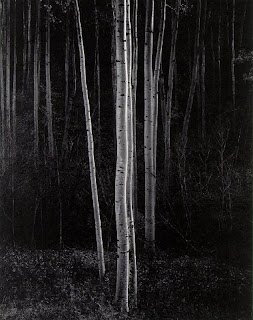
Masters Of Black and White Photography: Ansel Adams | Photographer


Ansel Adams
American photographer

Ansel Easton Adams was an American landscape photographer and environmentalist known for his black-and-white images of the American West. He helped found Group f/64, an association of photographers advocating "pure" photography which favored sharp focus and the use of the full tonal range of a photograph. 
Born: February 20, 1902, Western Addition, San Francisco, California, United States
Died: April 22, 1984, Bariatric Surgery Center at Community Hospital of the Monterey Peninsula, Monterey, California, United States
Spouse: Virginia Best (m. 1928–1984)
Children: Anne Adams, Michael Adams
Parents: Charles Hitchcock Adams, Olive Bray Adams


How Ansel Adams Changed Photography?


Ansel Adams


среда, 12. јануар 2022.

Spontano Sagorevanje: Ah , koliko je sve daleko a opet eto ga tu - Spontaneous Combustion: "Ah, how far everything is and yet here he is ..." | Zbirka Kratkih Priča | Une collection d'histoires courtes | A Collection of Short Stories


Spontano Sagorevanje: 

"Ah, koliko je sve daleka a opet je i tu.." 

41

Spontaneous Combustion: 

"Ah, how far everything is and yet it is there.  " 

*

Combustion spontanée : 

"Ah, à quel point tout est loin et pourtant il est là."


"Spontano Sagorevanje" je Zbirka Kratkih Priča. Priče u ovoj knjizi se odnose prema stvarnosti na nadrealealan, apstraktan, iracionalan način. Teatar apsurda u mikro formi, gde se kroz nadrealnu prizmu postavljaju važna pitanja koja se tiču naše egzistencije. 

*

"Spontaneous Burning" is a Collection of Short Stories, written in 2021 in Belgrade, Serbia. The stories in this book deal with reality in a surreal, abstract, irrational way. A theater of the absurd in mini form, where questions are asked through surreal form about important existential moments of our present.

*

"Spontaneous Burning" est un recueil de nouvelles écrites en 2021 à Belgrade, en Serbie. Les histoires de ce livre abordent la réalité d'une manière surréaliste, abstraite et irrationnelle. Un théâtre de l'absurde en mini forme, où des questions sont posées sous une forme surréaliste sur des moments existentiels importants de notre présent.


****

English


"Ah, how far everything is and yet here he is ..."


"I can't explain this situation to myself in any way ... it's all ... I don't know what to think ..." - Gojković thought confusedly, not even knowing what he wanted to explain to himself - "Kovid 19 ... virus ... Variola Vera ... so when they shot at the black, SS car, in which Pavle Vujsić was in "Otpisanima" ... he changed into a German ... and in Germany, there was a lock-down, everything went wrong. .. Europe, USA, Russia, China, and all the others, and other wars, and volcanoes and tsunamis and earthquakes and the melting of the iceberg ... there have never been more protests and everything is an imitation! - Gojković shouted out loud: "Imitations ... and what are the rules? - rules are general and public acceptance, certain types of behavior or actions or maybe even opinions, which become a general rule, more like that ... are rules ... opponents of the rules have ideas for new rules and fight for them. I have no idea. It's good that I've been vaccinated three times already ... it's stupid to die in agony ... as if it's my case, a case under cases, I'm a little selfish, it's indescribable what is happening right now with everyone. 

Everything is happening ... the horror ... but it's nice with women, that they like secrets, they just don't know how to keep a secret ... people started sweating from fear, it's not a secret, they say, they complain ... .anxiety, the pandemic of anxiety, fuck... it's like you have a stone in your stomach and a knife in your chest, your legs are sweating and you're sweating under your armpits and you can't talk and you don't care ... mental crisis, then man forgets how they sing, not only birds but also trees, but what will we all become very sensitive ... the music of prayer is enough for me, I admit, When I remember, a little every day, then more and more, then faster ... prayer and the music of fried sand and the ocean ... ah, how far everything is, I can't even reach my own heart ... "Gojković thought for a long, long time. Thinking, he walked to Obilićev Venac, where he found a beautiful bench, huddled on it, and fell asleep.

He immediately fell asleep with words from which he immediately woke up and regained consciousness. The words in the dream sounded deep and clear: "Ah, how far everything is and yet here it is ..."


****

Srpski

"Ah , koliko je sve daleko a opet eto ga tu..."

„Nikako ne mogu sebi da objasnim ovo stanje...sve je... ne znam šta da mislim...“ - - ovako smeteno je razmišljao Gojković, ni sam ne znajući šta hoće sebi da objasni – „ Kovid 19... virus... Variola Vera... pa kada su pucali na crna, SS kola, u kojima je bio Pavle Vujsić u "Otpisanima"... preobukao se u nemca...i u Nemačkoj je lock-down, sve se poremetilo... Evropa,SAD,Rusija,Kina, a svi ostali, a drugi ratovi, a vulkani i cunami i zemljotresi i ono otopljavanje santi...nikada nije bilo više protesta i sve je imitacija! - podviknuo je i na glas Gojković: "Imitacije... a šta su pravila? – pravila su opšte i javno prihvatanje, određene vrste ponašanja ili dejstvovanja ili možda čak i mišljenja, koje postaju opšte pravilo, više takvih... su pravila... protivnici pravila imaju ideje za nova pravila i za njih se bore... ja nemam nikakve ideje... dobro je da sam se već tri puta vakcinisao... glupo je jedino umreti u mukama... kao da je moj slučaj, slučaj nad slučajevima, ja sam malo egoističan, neopisivo je šta se sve upravo sada dešava sa svima. Sve se dešava...užas... ali je lepo to kod žena, što one vole tajne, samo ne umeju da čuvaju tajnu...ljudi su počeli da se znoje od straha, to nije tajna, govore, žale se...anksioznost, pandemija anksije, ebg...to je kao da u stomaku imaš kamen a u grudima nož, znoje ti se noge i znojiš se ispod pazuha i ne možeš da pričaš i nije ti ni do čega...duševna kriza, tada čovek zaboravi kako pevaju, ne samo ptice nego i drveće, ali šta ćemo svi smo postali jako osetljivi... meni je dovoljna muzika molitve, priznajem, Kada se setim, po malo svaki dan, pa sve više, pa sve brže... molitva i muzika prženog peska i okeana...ah, koliko je sve daleko, ne mogu dopreti ni do sopstvenog srca...“ Gojković je još dugo, dugo mislio. Misleći je odšetao na Obilićev Venac, tamo je našao lepu klupu, na njoj se zgurio i tiho zaspao.

Odmah je usnio reči od kojih se odmah i probudio i osvestio. Reči u snu su zvučale duboko i jasno: "Ah , koliko je sve daleko a opet eto ga tu..."


****

France

"Ah, à quel point tout est loin et pourtant le voici..."


"Je ne peux en aucun cas m'expliquer cette situation ... c'est tout ... je ne sais pas quoi penser ..." - Gojković pensa confusément, ne sachant même pas ce qu'il voulait s'expliquer - " Kovid 19 ... virus ... Variola Vera ... alors quand ils ont tiré sur la voiture noire SS, dans laquelle Pavle Vujsić était à "Otpisanima" ... il s'est transformé en Allemand ... et en Allemagne, il y avait un confinement, tout a mal tourné... Europe, USA, Russie, Chine, et tous les autres, et autres guerres, et volcans et tsunamis et tremblements de terre et la fonte des santi... il n'y a jamais eu plus de protestations et tout est une imitation ! - Gojković a crié à haute voix : " Les imitations... et quelles sont les règles ? - les règles sont l'acceptation générale et publique, certains types de comportements ou d'actions ou peut-être même des opinions, qui deviennent une règle générale, plutôt comme ça... sont des règles... les opposants aux règles ont des idées pour de nouvelles règles et se battent pour elles. Je n'ai aucune idée. C'est bien que j'ai déjà été vacciné trois fois... c'est con de mourir à l'agonie... comme si c'était mon cas, cas sous cas, je suis un peu égoïste, c'est indescriptible ce qui se passe en ce moment avec tout le monde.

Tout se passe... l'horreur... mais c'est bien avec les femmes, qu'elles aiment les secrets, elles ne savent juste pas garder un secret... les gens ont commencé à transpirer de peur, ce n'est pas un secret, disent-ils, ils plaindre ... .anxiété, pandémie d'anxiété, ebg ... c'est comme si vous aviez un caillou dans le ventre et un couteau dans la poitrine, vos jambes transpirent et vous transpirez sous vos aisselles et vous ne pouvez pas parler et tu t'en fiches... crise mentale, alors l'homme oublie comment ils chantent, pas seulement les oiseaux mais aussi les arbres, mais qu'allons-nous tous devenir très sensibles... la musique de la prière me suffit, je l'avoue, Quand je souviens-toi, un peu tous les jours, puis de plus en plus, puis plus vite... la prière et la musique du sable frit et de l'océan... ah, comme tout est loin, je ne peux même pas atteindre mon propre cœur... " Gojković réfléchit longuement, pensant, il marcha jusqu'à Obilićev Venac, où il trouva un beau banc, s'y blottit et s'endormit tranquillement.

Il s'est immédiatement endormi avec des mots dont il s'est immédiatement réveillé et a repris conscience. Les mots du rêve semblaient clairs et profonds : "Ah, à quel point tout est loin et pourtant le voici..."


***


EX EX : WAIT


Photo: Sebastian Sava Gor


Keywords: Spontano Sagorevanje, Puste Želje, Pusti Snovi. Empty Desires, Empty Dreams, Désirs vides, rêves vides, Désirs vides, rêve vide,  Kratkih Priča, Une Collection D'histoires Courtes, A Collection of Short Stories, Spontaneous Combustion, Combustion Spontanée, kratka priča, short story, histoire courte, nadrealizam, teatar apsurda. surréalisme théâtredelabsurde theateroftheabsurd iracionalizam avantgarde avangarda irrationalism, irrationalisme, subconscious, subconscient, superconscious, supraconscient, novel, novela knjiga, new book, književnost, literature, literature posts, literatura, comedy, komične priče, smešne,priče, funnystories, surrealism, nadrealizam, crazy story, dark humor, weird story, Спонтано СагоревањеЗбирка Кратких Прича, Збирка Уне Д'хистоирес Цоуртес, Збирка кратких прича, Спонтано сагоревање, Спонтане сагоревања, кратка прича, кратка прича, историја курта, надреализам, театар апсурда. сурреалисме тхеатределабсурде тхеатерофтхеабсурд ирационализам авантгарде авангарда ирационализам, ирационализам, подсвест, подсвесно, надсвесно, суперсвесно, роман, новела књига, нова књига, књижевност, књижевност, књижевни постови, књижевност, комедија, комичне приче, смешне, приче, смешни, приче, смешни, приче луда прича, мрачни хумор, чудна прича, Po Jutru Se Dan Poznaje, In the Morning the Day is Known Spontano Sagorevanje: "Nešto je Puklo" 36 Spontano Sagorevanje: "Srećan Kraj" 39 EX EX - JA SAM ČOVEK  Spontano Sagorevanje: "Budi Se, Otvori Oči! " 40  EX EX - NEKA ŽURKA Spontano Sagorevanje: "Ah, koliko je sve daleka a opet je i tu.." 40 - Spontaneous Combustion:   "Ah, how far everything is and yet it is there.  " | Zbirka Kratkih Priča | Une collection d'histoires courtes | A Collection of Short Stories EX EX : WAIT Spontano Sagorevanje:"Ah , koliko je sve daleko a opet eto ga tu..." 41 - Spontaneous Combustion:  "Ah, how far everything is and yet here he is ..." | Zbirka Kratkih Priča | Une collection d'histoires courtes | A Collection of Short Stories 


Featured Post

Sebastian Sava Gor: O Dostojevskom: "Život kao roman - roman kao ispovest"

  ФЈОДОР МИХАЈЛОВИЧ ДОСТОЈЕВСКИ: ЖИВОТ КАО РОМАН, РОМАН КАО ИСПОВЕСТ Фјодор Михајлович Достојевски (1821–1881) је један од „најгенија...