The Köln Concert is a concert recording of solo piano improvisations performed by Keith Jarrett at the Opera House in Cologne (German: Köln) on January 24, 1975. The double-vinyl album was released in 1975 by ECM. It became the best-selling solo album in jazz history and the best-selling piano album[10] with sales of more than 3.5 million. According to music critic Tom Hull, the album "cemented his reputation as the top pianist of his generation".
ReleasedNovember 30, 1975[
RecordedJanuary 24, 1975
VenueOpera House, Cologne, Germany
GenreJazz
Length66:07
LabelECM
ProducerManfred Eicher
Keith Jarrett (born May 8, 1945) is an American jazz and classical music pianist and composer.
Jarrett started his career with Art Blakey, moving on to play with Charles Lloyd and Miles Davis. Since the early 1970s he has enjoyed a great deal of success as a group leader and a solo performer in jazz, jazz fusion, and classical music. His improvisations draw from the traditions of jazz and other genres, especially Western classical music, gospel, blues, and ethnic folk music.
In 2003 Jarrett received the Polar Music Prize, the first recipient of both the contemporary and classical musician prizes, and in 2004 he received the Léonie Sonning Music Prize. His album The Köln Concert (1975) became the best-selling piano recording in history.
In 2008 he was inducted into the Down Beat Jazz Hall of Fame in the magazine's 73rd Annual Readers' Poll.
Jarrett has been unable to perform since suffering a stroke in February 2018, and a second stroke in May 2018, which left him partially paralyzed and unable to play with his left hand.
BornMay 8, 1945 (age 76)
Allentown, Pennsylvania, U.S.
GenresJazz, classical, jazz fusion, free improvisation
Occupation(s)Musician, composer
InstrumentsPiano
Years active1966–2018
LabelsAtlantic, ECM, Impulse!, Universal Classics
Associated actsArt Blakey, Sam Brown, Gary Burton, Dennis Russell Davies, Miles Davis, Jack DeJohnette, Charlie Haden, Charles Lloyd, Airto Moreira, Paul Motian, Gary Peacock, Dewey Redman, Kenny Wheeler
Серијал АГАПЕ: Епископ Јегарски Порфирије, данас Патријах Српски Порфирије "Васкрсење Христово" - теологија
AGAPE series: Bishop Jegarski Porfirije, today Serbian Patriarch Porfirije "Resurrection of Christ" - theology
Série AGAPE : Mgr Jegarski Porfirije, aujourd'hui Patriarche Serbe Porfirije "Résurrection du Christ" - théologie
Simbol univerzalne ljubavi naziva se agape.
Stari običaj u ranom hrišćanstvu bila je trpeza za kojom su sedeli svi, i bogati i siromašni, deca i odrasli, gospodari i robovi, jednom rečju na kojoj je svako bio podjednako dobrodošao. Vremenom je to prešlo u tradiciju i agape postaje simbol univerzalne (svima dostupne) hrišćanske ljubavi. Tako postoji i izreka „i danas se zna ko veruje da nam je samo ljubav potrebna njegova trpeza je agape“.
Etimolozi to i potvrđuju, pa navode da izraz agape potiče od ἀγάπη što se doslovno prevodi kao ljubav.
Prvi hrišćanski istorici Sokrat i Sozomen potvrđuju ovaj običaj koji se praktikovao prvo u Egiptu i to posle večere, kasnije u apostolsko doba agape su se održavale svaki dan, potom sve ređe i ređe, da bi se svele uglavnom samo na nedeljno okupljanje.
Takođe, agape su držane i pri krštenju i pri venčanju, ali više sa ciljem okupljanja porodice i prijatelja.
U sištini glavni razlog ovih gozba ljubavi bio religiozno-moralni karakter, odnosno međusobna ljubav i bratstvo prema svim ljudima. Sa druge strane u vreme ranog hričšanstva agape su dosta uticale na tu uzajamnu slogu među hrišćanima a to je dalje pomagalo u njihovoj borbi protiv neznabožaca i jeretika.
3. Lee Dorsey – Who's Gonna Help Brother Get Further
4. Gentleman June Gardner – It's Gonna Rain
5. Eddie Bo – Check Your Bucket
6. Professor Longhair – Big Chief
7. Huey "Piano" Smith & His Clowns – Free, Single And Disengaged
8. Chuck Carbo – Can I Be Your Squeeze
9. Aaron Neville – Hercules
10. Mary Jane Hooper – I've Got Reasons
11. The Gaturs – Gator Bait
12. Allen Toussaint – Get Out Of My Life Woman
13. Cyril Neville – Tell Me What's On Your Mind
14. Bo Dollis & The Wild Magnolia Mardi Gras Indian Band – Handa Wanda
15. Lee Dorsey & Betty Harris – Love Lots Of Lovin
16. The Explosions – Garden Of Four Trees
17. Ernie & The Top Notes – Dap Walk
18. The Meters – Just Kissed My Baby
19. Marilyn Barbarin – Reborn
20. Dr. John – Mama Roux
21. Danny White – Natural Soul Brother
22. Eddie Bo – Hook 'N' Sling, Pt. 2
23. Ernie K. Doe – Here Come The GirlsMP3 £0.99
24. Robert Parker – Hip-Huggin
25. The Meters – Handclapping Song
Album features Ernie K Doe’s ‘Here Come The Girls’, The Meters, Eddie Bo, Professor Longhair, Lee Dorsey, Wild Magnolias and more.
This is the definitive collection of New Orleans Funk featuring acknowledged masters next to some of the earlier artists who shaped the meaning of funk. The album is also filled with many rare, sought after and undiscovered funk tracks. It covers the period from the emergence of New Orleans Funk in the early 1960's through to the mid-seventies.
The record is an essential part of anyone in any way interested in Funk's record collection. It has some vital ingredients in it that you can't find elsewhere. With the sound of the New Orleans Funeral March Bands, Mardi Gras Indian Tribes and Saturday Night Fish Fries all as inspiration New Orleans Funk developed into a unique sound.
New Orleans is a port town. Originally owned by the French, this was where many slaves were brought from the West Indies. Many of these slaves came from Haiti and brought with them the religion of Voodoo and its drums and music. It became one of the first parts of America to develop a strong African-American culture leading to the invention of Jazz in the early 1900s.
A main feature of Jazz in New Orleans were the Jazz Funeral Marching bands. Solemn Brass bands accompanying a coffin would, on burial, be joined by a second line of drummers and dancers which would turn the event into a celebration of the spirit cutting free from earth. This African tradition is strong in New Orleans and still goes on to this day. The backline drums play a syncopated style that is neither on the beat nor the off-beat. It is these rhythms that are the basis of New Orleans Funk.
The album comes with a booklet presenting a historical explanation to how and why this music came about, and with lots of information about the people involved.
Reviews:
"A Perfect Primer For Funk Fans" Q (Top 5 albums of the year)
"Probably the finest compilation that Soul Jazz has released. Essential" Time Out
Nije razlog njegovog neraspoloženja bilo to što je ustao na levu nogu. Naprotiv, on je ustao i stao na desnu nogu, ali nije dobro stao, u tome je stvar…tako da je desnu nogu uganuo. I ne samo to, već znamo da kada se desi neprilika, treba biti obazriv, da se ne dogodi još koja neprilika, kako to ume često da bude. Ali ko ga može kriviti što je ljut? Čovek je bio bolan i besan, a kada je video svoju četkicu za zube koja se raspada, pa kada je posle toga prosuo kafu, a što se opekao, kada je prao posudu, kojom je kafu skuvao. Mislim da je opravdano to, što je zbog svega besno pljunuo u sudoperu. Ali to nije dovelo do toga da mu bude bolje, nije se smirivao ni bol ni bes. Tako da se on, na putu ka poslu, posvađao sa dva čoveka, čak je dao sebi za parvo da kritikuje neku devojčicu u autobusu, zbog toga kako je obučena, gde joj je rekao da ona tako privlači pažnju i onih koji to ne žele. Pre posla je svratio u apoteku, kupio je konjsku mast, koja pomaže kod uganuća i tablu lekova za bolove. Popio je jednu tabletu, sa jogurtom, uz burek, u pekari, gde stalno svraća pre posla na doručak. Na poslu, taj dan, nisakim nije razgovarao, šef nije dolazio, njega lično, niko ništa nije pitao. Kada se vraćao kući, dogodila mu se sasvim neprijatna stvar, drugačija od ostalih. Njemu se omaklo i on je malo “prducnuo” u autobusu. Možete misliti. Pojeo se od sramote i brzo je izašao na prvoj stanici, da sačeka sledeći autobus. Kada je stigao do ispred zgrade u kojoj živi, on stade i zagleda se u svoj prozor, na trećem spratu. Tako je stajao petnaestak minuta, nepomičan i nije odgovorio na ljubazan komšijski pozdrav, upućen od strane debeljuškaste komšinice. Odmah po ulasku u stan, on je oprao ruke i nogu, već malo natečenu, namazao je kremu i legao je da se odmori. Zaspao je. Sanjao je sve vreme kako ga neko juri, a on nikako da sazna ko ga to juri, gde se posle nepunih sat vremena sna, probudio u znoju. Ustao je i upalio televizor. Odgledao je film: “Puste Želje, Pusti Snovi”. Nakon odgledanog filma, ispekao je kobasicu i iseckao je kupus. Večerao je. Posle ovoga je ponovo legao i nije se više budio…do sledećeg jutra.
The Complete Columbia Recordings of Miles Davis with John Coltrane is a box set featuring jazz musicians Miles Davis and John Coltrane. It is the first box set in a series of eight from Columbia/Legacy compiling Davis's work for Columbia Records, and includes never-before-released alternate takes, omissions of other musicians, musician comments, false starts and a first version of compositions, some of which have made it to the 50th Anniversary 2-disc CD version of Kind of Blue. Originally issued on April 11, 2000 in a limited-edition metal slipcase, it was reissued in 2004 in an oversized book format. In conjunction with Sony, Mosaic Records released the 9 LP set.
Procvetala je biljka, boje cvetova kao stvorenih za slikarske duše da ih ovekoveče.
Cvetovi su se dopali devojćici, malenoj, krhkoj. Ona svoj nosić u cvet unese i cvet je smrtonosno ubode.
Gomilo!Maso crvljiva! Kakava ste to so zemlji, so koja ubija!
Znate onog starog lakrdijaša, što vekovima već maske menja i razne oblike vidljive i nevidljive poprima? Ovih dana, samo dva oka ima, jedno gleda ravno u tebe, u drugom mu se nepregledna pustinja ogleda. Vidiš kako ga sada nema, dok opet tebe nekako i ima. Sediš sam… misliš da misliš o životu i o smrti. Gospodar samoće ispred tvojih vrata spava. Sam spava i ne sanja. Uzalud... Poslednje što vidiš, uvek je blic. Video sam kako te ima i najednom, naprasno više te nema...
Keywords: nouvelle, nouvelles, histoires courtes. short story, short stories, zbirka kratkih priča,
a book of short stories, un livre d'histoires courtes, gospodar samoće, господар самоће, lord of solitude, seigneur de la solitude, noć slomljenih strela, une nuit de flèches brisées, a night of broken arrows, ноћ сломљених стрела, кратка прича, збирка кратких прича,
књига кратких прича, nuit des flèches brisées, book of short stories, zbirka priča, #un livred histoires courtes, book, books, književnost, literature, littérature, un livre #knjiga
Tommy Guerrero (born September 9, 1966) is an American musician, composer, and professional skateboarder.
After his success in the world of skateboarding, Guerrero decided to pursue his musical interests and was a member of the skate rock band Free Beer and the instrumental post-rock group Jet Black Crayon. Guerrero's music touches on multiple genres, including rock, hip hop, funk, soul, and jazz.
BornSeptember 9, 1966 (age 55)
San Francisco, California, U.S.
GenresDowntempo, art rock, alternative rock, electronic, jazz
At the 2013 15th Annual Transworld SKATEboarding Awards, Guerrero was the recipient of the "Legend" award—on the red carpet preceding the awards event, Guerrero stated:
"I'm super grateful, that anyone really cares, to be honest. Um ... conflicted; I'm not one to rest on my laurels and it's hard to accept accolades for something you did thirty years ago, you know? I'd rather be appreciated for what I do now, but I ... I ... I'm super grateful ... I can't believe it [street skateboarding in the 21st century]. I mean the technical aspect, and the consistency, combined with that, is mind-blowing ... but just where it's at now, is, is insane; I mean, what Rodney [Mullen] sort of started, with the technical aspect, to a whole another level, you know? Making it extremely gnarly, extremely technical ... I'd hate to be growing up skating now ...
"Ove pesme ne koketiraju sa već postojećim modelima i solucijama, već veruju u sopstvene detalje. Očito je: pesnik veruje sebi!
On ilustruje nadu i želi da je podeli sa drugima, jer pesma koja ne zna da komunicira vrlo brzo presahne u zamračenju neiskazanih namera. Tada započinje zarobljavanje prostora lažnim identitetom – kaže pesnik – što poetskim slikama treba ispraviti. Ali korekcija nije namet i ropska obaveza, nego predanost muzama koje kroje tačnu sudbinu pesništva satkanu od rafiniranosti i vremena."
Iz Recenzije: Boško Mandić
Poljubac Žene Zmaja / Zbirka Poezije
Priredili: Jadranka Bunuševac i Sava Gor
Recenzent: Boško Mandić
lustracija na koricama: Irena Bijelić Gorenjak
Urednik i korektura: Jadranka Bunuševac
Izdavač: "Zoran Damnjanović i sinovi"
Narodnih Heroja 1, Novi Beograd, 2007
Beograd 2007
POLJUBAC ŽENE ZMAJA
MEĐU LEDENIM GLEČERIMA, SANTAMA OD PRAISKONA
NA MRAZU ROĐENOM PRE SVIH
VEKOVA
SADA VIĐENA SAMO OČIMA BELIH MEDVEDA
DUBOKO NIZ LEDENE DUPLJE
PROLAZEĆI KROZ PUSTE BELE PEĆINE
TIHO I TAJNO
ŽIVI
POSLEDNJA ŽENA – ZMAJ.
SADA, OPHRVANA LEDOM
GDE SNAGE U NJOJ ODAVNO NEMA
ONA VELIKIM OČIMA
PRATI SUNCE DOK NE ZAĐE
I ČEZNE
TUGA JOJ SE PUSTAROM LEDENOM PROSTIRE
TRAŽI MALO UTEHE
HTELA BI DA PROBUDI BAREM JOŠ JEDNU ISKRU U GRUDIMA.
KAKO BI NEKOGA POLJUBILA
STRŠNA ŽENA – ZMAJ
VATRENA – NEOBUZDANA
U TOJ TUZI, LJUBILA BI
IAKO ZNA, DA JE NEKADA, POGLEDOM UBIJALA.
"KISS OF THE DRAGON WOMAN"
AMONG THE ICE GLACIERS, PRE-FLOODED ICEBERGS
ON ICE BORN, BEFORE ALL CENTURIES
NOW SEEN ONLY THROUGH THE EYES OF THE POLAR BEARS
DEEP DOWN THE ICE HOLE
PASSING THROUGH THE DESERTED WHITE CAVES
QUIET AND SECRET
LIVES
THE LAST WOMAN – THE DRAGON.
SHE IS COVERED IN ICE
THE STRENGTH HAS BEEN GONE FOR A LONG TIME
NOW, SHE, WITH BIG EYES
FOLLOWS THE SUN UNTIL IT SETS, SHE LONGS
SORROW IS SPREADING THROUGH A DESERTED ICE
SEEKS FOR LITTLE COMFORT
SHE WOULD LIKE TO AWAKE AT LEAST ANOTHER SPARK IN HER CHEST.
HOW SHE WOULD LIKE TO KISS SOMEONE
TERRIBLE WOMAN – THE DRAGON
FIERY – UNCONTAINED
IN THAT SADNESS, SHE WOULD KISS
ALTHOUGH KNOWING THAT ONCE SHE WITH A LOOK KILLED.
EX EX - ENTER (FULL ALBUM)
From the Review: Boško Mandić
"These poems don't flirt with existing models and solutions but believe in their own details. It's obvious: the poet believes in himself!
He exemplifies hope and wants to share it with others because a song that doesn't know how to communicate dries up very quickly in the obscurity of unspoken intentions. This is when the capture of space with a false identity begins - the poet says - which should be corrected with poetic images. But correction is not an imposition and a slavish obligation, but devotion to the muses who shape the exact fate of poetry woven from refinement and time."
Keywords:Poljubac Žene Zmaja, knjiga, poezija, , sebastian sava gor. poezija koja diše, čitaj poeziju, smiri se poezijom, poezija koja se čita, Zbirka Poezije, Jadranka Bunuševac, Sava Gor, Recenzent: Boško Mandić, lustracija na koricama: Irena Bijelić Gorenjak, Urednik i korektura: Jadranka Bunuševac Izdavač: Zoran Damnjanović i sinovi, Beograd 2007, Kiss Of The Dragon Woman, Poetry, Poezija, poetry lovers, poetry is not dead, poetry twitter, Book, Poetry Collection, Literatura, Literature, Literature Posts, Književnost, Knjiga Poezije, poezija, poetry, poésie, поэзия, poesie, čitaj poeziju, pesme, un livre, poésie, collection of poetry. un recueil de poésie, Kiss of the Dragon Woman, book, poetry,, sebastian sava gor. poetry that breathes, read poetry, calm down with poetry, poetry that is read, Poetry Collection, Jadranka Bunuševac, Sava Gor, Reviewer: Boško Mandić, lustration on the cover: Irena Bijelić Gorenjak, Editor and proofreader: Jadranka Bunuševac Publisher: Zoran Damnjanović and Sons , Beograd 2007, Kiss Of The Dragon Woman, Poetry, Poezija, poetry lovers, poetry is not dead, poetry twitter, Book, Poetry Collection, Literatura, Literature, Literature Posts, Književnost, Knjiga Poezije, poezija, poetry, poésie, poezija, poetry, read poetry, poems, a book, poetry, collection of poetry. a poetry collection, Пољубац Жене Змаја, књига, поезија,, себастиан Сава гор. поезија која дише, читај поезију, смири се поезијом, поезија која се чита, Збирка Поезије, Јадранка Бунушевац, Сава Гор, Рецензент: Бошко Мандић, Ирена Бијелић Горењак, Уредник и коректура: Јадранка Бунушевац Издавач: Зоран Дамњановић и синови , Београд 2007, Пољубац жене змаја, Поезија, Поезија, љубитељи поезије, поезија није мртва, поезија твитер, Књига, Песничка збирка, Литература, Књижевност, Књижевни постови, Књижевност, Књига Поезије, поезија, читај поезију, песме, збирка поезије.
Jedan čovek je umro. Neposredno nakon "umiranja", on se našao "izvan sebe". Pokušaću da opišem šta je taj čovek video i šta je emotivno preživeo.
Prvo je video svoje mrtvo telo iz ptičije perspektive. Video je sa plafona ne samo sebe, već i svoje bližnje, kako ga ljube i plaču. Video je i doktore, čelično, empatičnih lica. Nakon samouviđaja u sopstvenu smrt, čoveku je privukla pažnja neobično jaka svetlosti, ali koja nije pržila oči, već je toplo pozivala ka njoj.
Ovog puta čovečija perspektiva, bila je, ne ptičija, već tubasta, opisao bih prostije to što je video kao spiralni tunel koji je svetlošću uvlačio čoveka u još gušću i jaču svetlost. Čovek je poleteo ka svetlu, prilikom letenja i prolaženja kroz svetlosnu tubu, čoveku su se munjevitom brzinom ređale slike, od njegovog detinjstva do eto, njegove smrti. Uglavnom su to bile prijatne misli. Sledio je susret sa svetlošću.
Taj trenutak bi čovek, da je živ, opisao kao najlepši trenutak u njegovom i prošlom i "tadašnjem životu"...
Čovek se pretvorio u svetlost kojoj je prišao. Svoje telo je video kao prozirno, sve svoje organe takođe. Primetio je da mu srce ne kuca, ali da je on blaženo miran, uprkos tome. Video je oko sebe molekule i atome u njima. Sveprožimajući eletricitet ga je zadivljavao mini munjama i uopšte, svojim živim organizmom koji ima sopstveni poseban red.
Van sebe od uzbuđenja, čovek ugleda kako mu se približava dečak, isto tako proziran kao on ali sa rupom u predelu stomaka. Kada je čovek ugledao i prepoznao dečaka, on se toliko uplašio da je sva "elektrika", oko njega nestala kao da se dogodio kuršlus. Čovek se našao u potpunom mraku. Dečak koga je ugledao bio je njegov mrtvi, mali brat.
Sleđen od straha koji je pulsirao čitavim prostorom oko njega, čovek je počeo "oživljavati" scenu, kada on je kao dečak, uzeo nož i njime uboo svog mlađeg, rođenog brata.
Što je scenu više oživljavao on se upravo kao vraćen vremenom nađe u svojoj i bratovljevoj dečačkoj sobi. I ovog puta je imao "ptičiji uviđaj" na događaj koji se pred njime, kao pesma na gramofonu koja preskače ponavljao.
Primetio je i nešto što ga je naknadno prestravilo i preplašilo. Baš "na plafonu", nasuprot njega, ugledao je stvorenje koje je teško opisati. Ja kao pripovedač i moj preminuli junak, imamo jedini a jedinstven opis tog stvorenja. Zapravo to je bilo stvorenje, koje nije bilo veliko i čak je izgledalo da je to samo crna fleka a ne stvorenje ali to nešto se malo, kao nekakva želasta masa malo treslo. I činilo se da stvorenje nekom bljutavom neizvesnošću, nešto čeka, zabijeno u ćošak sobe kao najcrnji pauk. Stvorenje nije imalo pipke, nije imalo ništa, ni oči, potpuno crno kao da je napravljena masa od nekakve vrste gume, pomešane sa plastikom, koja menja oblike, tako da se činilo da pokušava da napravi nešto, nalik na lice. Moglo se čuti i prigušeno cerekanje i nekakvo škripanje, gde bi nakon toga tog zvuka, cela masa besno drhtala.
Čovek je poželo da nestane iz sobe ali je tada primetio da mu je srce pocrnelo. Pogledao je srce i pogledao je stvorenje. Stvorenje se sa užasnim vriskom, gde je i čovek zaurlao, produžilo i čitavo ušlo u čovekov nos. Ono se počelo širiti celim čovekovim telom i on je potpuno pocrneo.
Film koji se ponavljao je prestao a čovek je teško zaplakao. Plakao je tužno, polako i pokajnički iskreno. Svaka suza koja bi pala na njegovo telo, stvarala bi tačku, koja bi postajala ponovo, deo one svetlosti, koju sam na početku opisao. Svaki delić svetlosti, bio je različite boje i postepeno se činilo kao da se stvara sasvim nov čovek.
Dalje događaje neću opisivati pošto je ponovno stvaranje potrajalo i još uvek traje...
Robert Dylan (born Robert Allen Zimmerman; May 24, 1941) is an American singer-songwriter, author and visual artist. Often regarded as one of the greatest songwriters of all time, Dylan has been a major figure in popular culture during a career spanning 60 years. Much of his most celebrated work dates from the 1960s, when songs such as "Blowin' in the Wind" (1963) and "The Times They Are a-Changin'" (1964) became anthems for the civil rights and anti-war movements. His lyrics during this period incorporated a range of political, social, philosophical, and literary influences, defying pop music conventions and appealing to the burgeoning counterculture.
Following his self-titled debut album in 1962, which mainly comprised traditional folk songs, Dylan made his breakthrough as a songwriter with the release of The Freewheelin' Bob Dylan the following year. The album features "Blowin' in the Wind" and the thematically complex "A Hard Rain's a-Gonna Fall". Many of his songs adapted the tunes and phraseology of older folk songs. He went on to release the politically charged The Times They Are a-Changin' and the more lyrically abstract and introspective Another Side of Bob Dylan in 1964. In 1965 and 1966, Dylan drew controversy when he adopted electrically amplified rock instrumentation, and in the space of 15 months recorded three of the most important and influential rock albums of the 1960s: Bringing It All Back Home (1965), Highway 61 Revisited (1965) and Blonde on Blonde (1966). His six-minute single "Like a Rolling Stone" (1965) was also influential and expanded commercial and creative boundaries in popular music.
In July 1966, a motorcycle accident led to Dylan's withdrawal from touring. During this period, he recorded a large body of songs with members of the Band, who had previously backed him on tour. These recordings were released as the collaborative album The Basement Tapes in 1975. In the late 1960s and early 1970s, Dylan explored country music and rural themes in John Wesley Harding (1967), Nashville Skyline (1969), and New Morning (1970). In 1975, he released Blood on the Tracks, which many saw as a return to form. In the late 1970s, he became a born-again Christian and released a series of albums of contemporary gospel music before returning to his more familiar rock-based idiom in the early 1980s. Dylan's 1997 album Time Out of Mind marked the beginning of a renaissance for his career. He has released five critically acclaimed albums of original material since then, the most recent being Rough and Rowdy Ways (2020). He also recorded a series of three albums in the 2010s comprising versions of traditional American standards, especially songs recorded by Frank Sinatra. Dylan has toured continuously since the late 1980s on what has become known as the Never Ending Tour.
Since 1994, Dylan has published eight books of drawings and paintings, and his work has been exhibited in major art galleries. He has sold more than 125 million records, making him one of the best-selling musicians of all time. He has received numerous awards, including the Presidential Medal of Freedom, ten Grammy Awards, a Golden Globe Award and an Academy Award. Dylan has been inducted into the Rock and Roll Hall of Fame, Nashville Songwriters Hall of Fame and the Songwriters Hall of Fame. The Pulitzer Prize Board in 2008 awarded him a special citation for "his profound impact on popular music and American culture, marked by lyrical compositions of extraordinary poetic power". In 2016, Dylan was awarded the Nobel Prize in Literature "for having created new poetic expressions within the great American song tradition".
BornRobert Allen Zimmerman
May 24, 1941 (age 80)
Duluth, Minnesota, U.S.
Awards2016 Nobel Prize in Literature
Genres
Folk, blues, rock. gospel, country. traditional. pop vocal, jazz
Instruments
Vocals, guitar, keyboards, harmonica
LabelsColumbiaAsylum
Associated acts:
Joan Baez, The Band. The Byrds. Johnny Cash. Grateful Dead. George Harrison, Mark Knopfler, Tom Petty and the Heartbreakers Traveling Wilburys
Highway 61 Revisited is the sixth studio album by American singer-songwriter Bob Dylan, released on August 30, 1965 by Columbia Records. Having until then recorded mostly acoustic music, Dylan used rock musicians as his backing band on every track of the album, except for the closing track, the 11-minute ballad "Desolation Row". Critics have focused on the innovative way Dylan combined driving, blues-based music with the subtlety of poetry to create songs that captured the political and cultural chaos of contemporary America. Author Michael Gray has argued that, in an important sense, the 1960s "started" with this album.
Leading with the hit song "Like a Rolling Stone", the album features songs that Dylan has continued to perform live over his long career, including "Ballad of a Thin Man" and the title track. He named the album after the major American highway which connected his birthplace of Duluth, Minnesota, to southern cities famed for their musical heritage, including St. Louis, Memphis, New Orleans, and the Delta blues area of Mississippi.
Highway 61 Revisited peaked at No. 3 on the US Billboard 200 and No. 4 on the UK Albums Chart. Positively received on release, the album has since been described as one of Dylan's best works and among the greatest albums of all time, ranking No. 18 on Rolling Stone's "500 Greatest Albums of All Time". It was voted No. 26 in the third edition of Colin Larkin's All Time Top 1000 Albums (2000) and was featured in Robert Dimery's 1001 Albums You Must Hear Before You Die (2010). "Like a Rolling Stone" was a top-10 hit in several countries, and was listed at No. 1 on Rolling Stone's 500 Greatest Songs of All Time list. Two other songs, "Desolation Row" and "Highway 61 Revisited", were listed at No. 187 and No. 373 respectively.
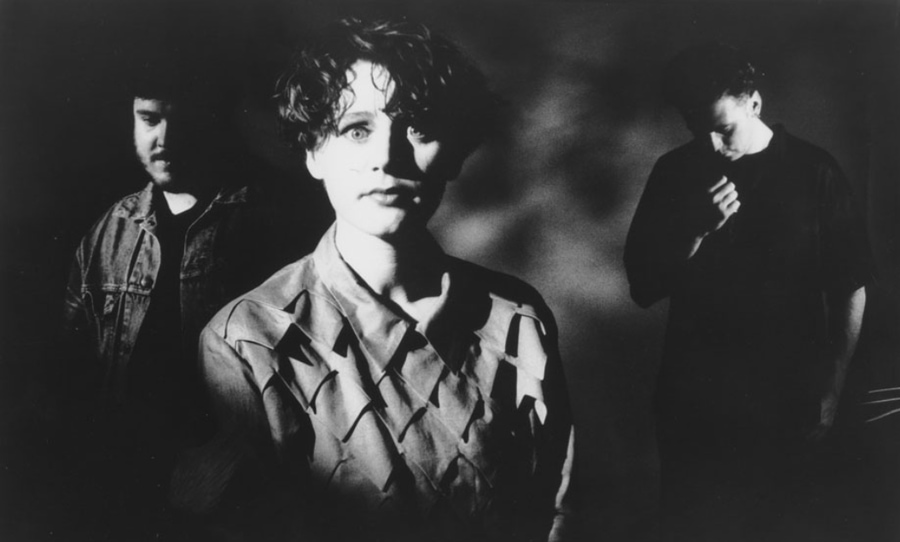
Cocteau Twins were a Scottish band active from 1979 to 1997. They were formed in Grangemouth by Robin Guthrie (guitars, drum machine) and Will Heggie (bass), adding Elizabeth Fraser (vocals) in 1981 and replacing Heggie with multi-instrumentalist Simon Raymonde in 1983. The group earned critical praise for their ethereal, effects-laden sound and the soprano vocals of Fraser, whose lyrics often abandon recognisable language. They pioneered the 1980s alternative rock subgenre of dream pop.
The band's early work drew influence from Siouxsie and the Banshees and Joy Division. After signing with the British record label 4AD in 1982, they released their debut album Garlands later that year. The addition of Raymonde in 1983 solidified their final lineup, which produced their biggest hit in the UK, "Pearly-Dewdrops' Drops", peaking at No. 29 on the UK Singles Chart. In 1988, Cocteau Twins signed with Capitol Records in the United States, distributing their fifth album, Blue Bell Knoll, through a major label in the country. After the 1990 release of their most critically acclaimed album, Heaven or Las Vegas, the band left 4AD for Fontana Records, where they released their final two albums.
After nearly 20 years together, the band disbanded in 1997 in part due to issues stemming from the disintegration of Fraser and Guthrie's romantic relationship. In 2005, the band announced that they would reunite to headline Coachella and embark on a world tour but the reunion was cancelled a month later after Fraser refused to perform on stage with Guthrie. In a 2021 interview, Raymonde confirmed that Cocteau Twins "will never reform".
OriginGrangemouth, Scotland
Genres
Dream pop, ethereal wave, gothic rock, post-punk
Years active1979–1997
Labels
4AD Relativity Capitol Fontana Bella Union
Associated acts
This Mortal Coil - Faye Wong - Harold Budd - Seefeel
Garlands is the debut album by Scottish alternative rock band Cocteau Twins, released on 10 July 1982 by 4AD. It peaked in the top 5 of the UK Independent Albums Chart, and received support from BBC Radio 1 radio host John Peel.
Garlands is the only album the band recorded with original bassist Will Heggie. Prior to the album the band recorded a four track session for John Peel in June 1982 including "Wax and Wane" and "Garlands". A second John Peel session in January 1983 was included as bonus tracks on the cassette and CD release of Garlands. Gordon Sharp of Cindytalk provided backup vocals on "Dear Heart", "Hearsay Please", and "Hazel".
Gospodin u crnom odelu se sapleo, udario je glavom o betonski ivičnjak i na mestu je ostao mrtav.
Gospodin u belom odelu je prelazio stari most. Par trulih dasaka je popustilo i gospodin se survao u reku, njega više niko nikada nije video.
Gospodin u plavom, radnom odelu, je pao sa krova.
Gospodin u zelenom šorcu je pao sa drveta, jako nezgodno, preminuo je na putu za bolnicu.
Gospodin u crvenoj pidžami je zaspao, ispustio cigaretu i zapalio se.
Za razliku od ostalih, gospodin u kamuflažnom odelu je izbegavao dosta neprilika tog dana. Ubijen je snajperom, na sumrak, pri povrtku kući.
*
Naspuprot svima, gospodin sa zelenom kapom, u zlatno-žutoj košulji i crvenim pantalonama, a u belim cipelicama, je kobni dan, zamišljen, presedeo, da bi na veče, kao dete zaspao.
Moral Hygiene is truly an album for its time. Since the 1980s, American industrial metal trailblazers Ministry and their iconic frontman Al Jourgensen have been hitting at the jugular vein of social and political issues.
Moral Hygiene is no exception. Crafted during the lockdowns of the COVID-19 pandemic, Jourgensen has pulled no punches and unleashed an unapologetically critical and insightful album that attacks a range of contemporary issues, including racial injustice, fake news, the climate crisis, and of course, the pandemic. While Moral Hygiene is Ministry’s fifteenth album, it is fresh, relevant, and stacked with incisive socio-political commentary from one of extreme music’s veterans of discontented rage.
Somewhere in the last couple of decades, Al Jourgensen decided that the pulverising machine-metal he pioneered with 1992’s Psalm 69 was it, the Ministry sound, for ever and ever.




.jpg)

